Unlike the U.S. and Canada ranking in your article, which uses Walk Score ratings, no single, universally accepted ranking exists for Africa’s most walkable cities.
Walkability depends on how close everyday amenities are, pedestrian infrastructure,
road safety, public transport, and how much residents need cars for daily errands.
For an Africa-focused version of the article, we can compare cities based on these factors, while distinguishing between walkable central neighbourhoods and entire metropolitan areas.
10 African cities worth highlighting for walkability
(An editorial shortlist, not an official continent-wide Walk Score ranking)
1. Marrakech 🇲🇦
The historic medina has narrow pedestrian-friendly streets, traditional markets, and many attractions within walking distance. Motor traffic can be challenging in some areas.
2. Tunis 🇹🇳
The old medina offers compact streets, shops, and cultural attractions, while central districts offer more walking options.
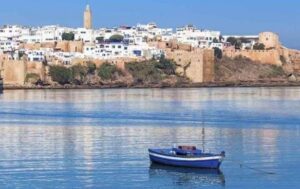
3. Rabat 🇲🇦
Central neighbourhoods combine shops, public spaces, and tram connections, making it easier to combine walking with public transport.

4. Cairo 🇪🇬
Downtown Cairo has dense streets, shops, and services close together. Heavy traffic and difficult street crossings can make walking less comfortable.
5. Cape Town 🇿🇦
The Sea Point Promenade and parts of the city centre are attractive for walking, although many suburban trips still require a car.


6. Kigali 🇷🇼
Some central areas have orderly streets and pedestrian infrastructure, though steep hills and distances between neighbourhoods can make longer walks demanding.
7. Casablanca 🇲🇦
Dense central districts, commercial streets, and a tram network offer practical options for walking and transit-based journeys.
8. Nairobi 🇰🇪
Neighbourhoods with concentrated shops and restaurants can be convenient on foot, although sidewalk continuity, road crossings, and traffic vary considerably.
9. Stone Town 🇹🇿
Its compact historic centre has narrow lanes, markets, and cultural landmarks that are well suited to exploring on foot. This is a neighbourhood-scale destination rather than a large-city comparison.
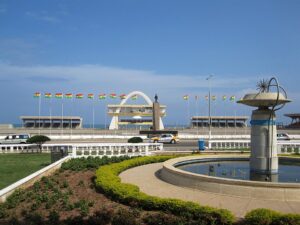
10. Accra 🇬🇭
Areas such as Osu have clusters of shops, restaurants, and services within walking distance, but pedestrian conditions differ across the city.

What the data tells us:
These cities should not be treated as a verified 1–10 ranking. The available 2026 Numbeo city comparisons provide traffic and quality-of-life indicators, not Walk Scores.
For example, Tunis and Casablanca appear among the African cities tracked in those datasets, but you can’t use their figures as direct measures of walkability.