

One of the most important yet often misunderstood components of home design is lighting.
For many, the only question that matters when it comes to lighting is whether the area is sufficiently bright. However, brightness is only one aspect of good lighting. Function, comfort, mood, and human experience are all taken into account while designing lighting. Intentional lighting design enhances a space’s use, atmosphere, and human interaction. When it is not, even the most beautifully furnished space can feel uncomfortable or uninspiring.
This article examines the fundamentals of excellent lighting design in an understandable and useful manner, providing information that homeowners, designers, and developers may put to use right now.
1. A Common Mistake in Lighting Design
Relying on a single lighting solution, usually recessed downlights, to illuminate an entire room is one of the most common mistakes made in both residential and commercial environments.
Although downlights have a function, relying too much on them frequently leads to:
• Overly intense glare
• Sharp shadows
• Environments that are flat and visually monotonous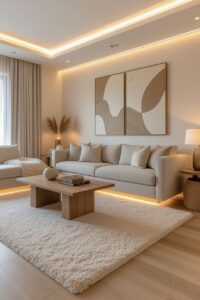

2. The significance of layered lighting.
Professional lighting design is composed of layers, each with a particular function. A balanced combination of these layers results in environments that are both useful and artistically appealing.
Ambient lighting
Ambient lighting offers general illumination and establishes a baseline level of light in a room.
Here are some common examples of ambient lighting :
• Ceiling-mounted fixtures.
• Cove lighting
• Recessed lighting used with appropriate spacing and beam control
This layer ensures safe movement and general visibility.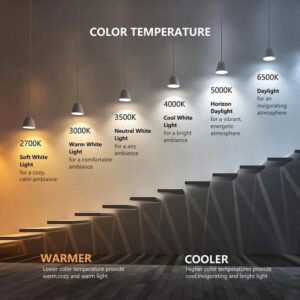

Task lighting provides targeted illumination for certain tasks, which improves usability and visual comfort.
Examples include:
• Pendant lights above kitchen islands or dining tables.
• Desks and reading lamps
• Vanity lighting in bathrooms
Well-placed task lighting decreases eye strain and increases productivity.
Accent Lighting
Accent lighting provides depth, emphasis, and character to a room.
It highlights:
• Architectural features.
• Textured surfaces.
• Art or ornamental elements
A well-lit interior may feel incomplete without accent lighting. This layer adds contrast, visual appeal, and character.
3. Understanding Brightness and Visual Comfort.
More light does not necessarily equate to better illumination.
Excessive brightness can create visual tiredness and discomfort, especially in living areas designed for relaxation.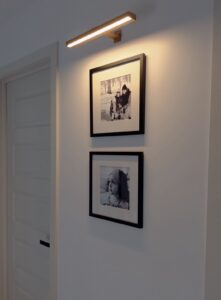

Effective lighting design focuses instead on:
• Appropriate light levels
• Correct color temperature
• Controlled beam angles and glare reduction
Warm light tends to create inviting, comfortable environments, while neutral light supports clarity and balance. Cooler light is best reserved for task-oriented or work-focused areas.
Lighting should enhance comfort and mood, not compete with them.
4. Designing Lighting Around How Spaces Are Used
Every space serves a purpose, and lighting should reflect that function.
Consider the following questions:
• Is this space primarily for rest or activity?
• Will it be used during the day, evening, or both?
• Does it require flexibility for different moods or tasks?
Living areas benefit from layered, adjustable lighting. Bedrooms require softer, calming illumination. Kitchens and workspaces demand clarity and precision.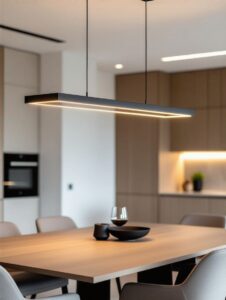

Rather than asking whether a space is sufficiently bright, a more meaningful question is:
“What should this space support, and how should it feel?” When lighting is aligned with purpose and human experience, it does more than illuminate. It enhances the way people live, work, and connect within a space.
Follow The Lighting Lady on Instagram