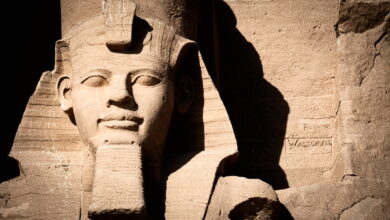
Mapped: Africa’s Largest National Parks and Wildlife Reserves

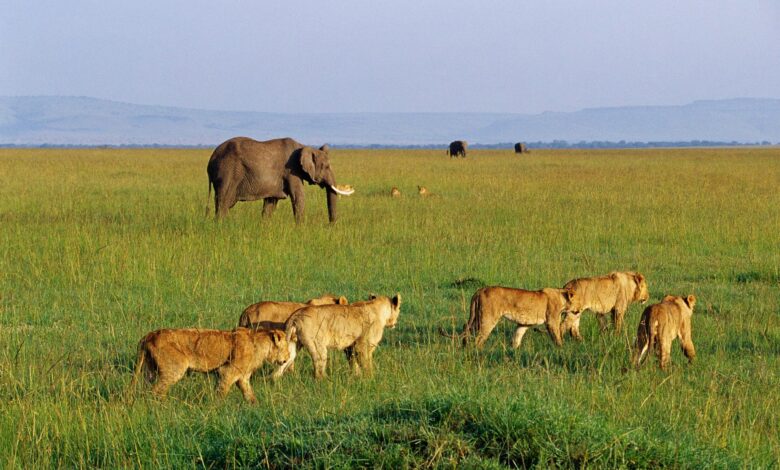
Africa is home to some of the world’s most extraordinary wildlife landscapes. From the vast deserts of Niger and Namibia to the grasslands of Botswana and the forests of Tanzania, the continent protects enormous natural areas that support remarkable biodiversity.
These protected landscapes provide habitats for elephants, lions, giraffes, rhinos, antelopes, primates and thousands of bird species. Moreover, they preserve important ecosystems, protect water resources and support communities through tourism and conservation-related employment.
Across these diverse landscapes, countries such as Nigeria also contribute to Africa’s natural heritage through their forests, wetlands, savannahs and protected wildlife habitats. Understanding Nigeria’s geographical and natural resources provides another perspective on the continent’s environmental diversity.
However, Africa’s largest conservation areas are not all national parks. Some carry the designation of game reserve, special reserve, natural reserve or protected landscape. Their management objectives and levels of protection can also differ.
This article explores some of Africa’s largest national parks and wildlife reserves, compares their geographical sizes and examines the biodiversity that makes them important to the continent.
Why Africa’s Protected Areas Matter
National parks and wildlife reserves play an important role in protecting Africa’s natural heritage.
They help maintain ecological balance by conserving habitats, protecting threatened species and allowing natural processes to continue across large landscapes.
For example, elephants require extensive territories to find food and water. Similarly, large predators such as lions and wild dogs need connected habitats to maintain healthy populations.
Therefore, conservation areas must protect more than individual animals. They must also preserve migration routes, rivers, grasslands, forests and other essential ecosystems.
According to the UNEP-WCMC Protected Planet database, Africa had approximately 8,979 protected areas recorded in November 2026. Terrestrial and inland-water protected areas and other effective conservation measures covered approximately 19.98% of the continent’s land area.
Africa’s Largest National Parks and Wildlife Reserves
The following comparison highlights some of the continent’s largest protected landscapes. It includes national parks and other major conservation designations, rather than suggesting that every location has the same legal status.
| Rank | Protected Area | Country | Area (km²) |
|---|---|---|---|
| 1 | Aïr and Ténéré Natural Reserves | Niger | 77,360 |
| 2 | Central Kalahari Game Reserve | Botswana | 52,800 |
| 3 | Selous Game Reserve (historical area) | Tanzania | 50,000 |
| 4 | Namib-Naukluft Park | Namibia | 49,768 |
| 5 | Niassa Special Reserve | Mozambique | 42,000 |
Areas are approximate and reflect the cited official or conservation sources. The Selous designation has changed, and its historical area should not be interpreted as a separate current park boundary.
1. Aïr and Ténéré Natural Reserves – Niger
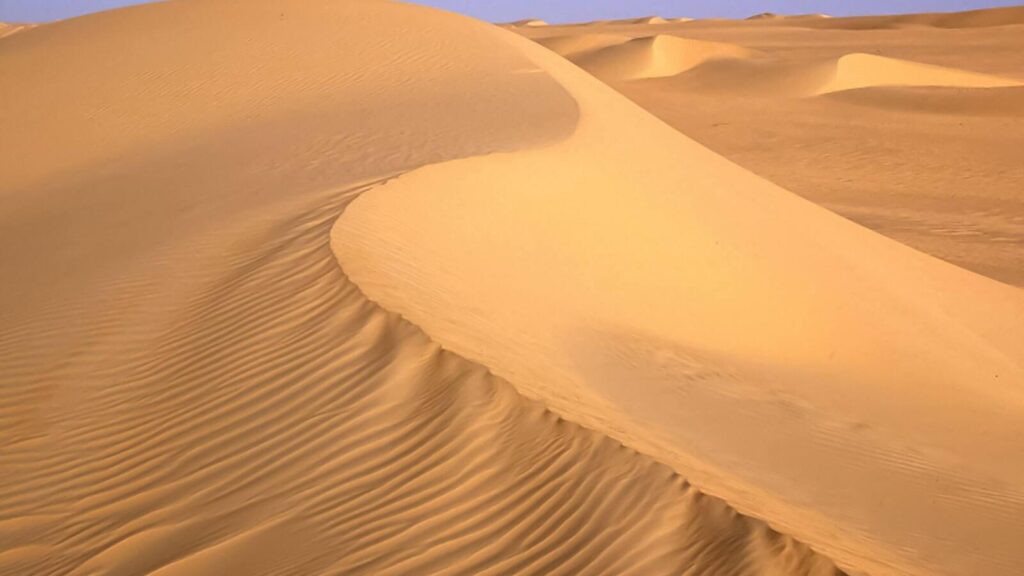
The Aïr and Ténéré Natural Reserves in northern Niger form one of Africa’s largest protected conservation landscapes. Covering approximately 77,360 square kilometres, the reserve protects a remarkable combination of mountain ecosystems and vast desert environments.
Its landscape includes the Aïr Mountains, which rise dramatically above the surrounding Sahara, and the enormous Ténéré Desert. Despite the harsh climate, the region supports important wildlife populations and unique plant communities.
Species associated with the wider landscape include addax antelopes, gazelles and desert-adapted animals. The reserve also protects important habitats for threatened Saharo-Sahelian wildlife.
However, conservation remains challenging. Poaching, illegal resource extraction, insecurity and pressure from human activities threaten its ecological stability.
UNESCO recognises the reserve as a major natural heritage site. Its outstanding desert ecosystems and unique mountain landscapes make it an important part of Africa’s conservation heritage. Read more about the Aïr and Ténéré Natural Reserves on UNESCO’s World Heritage website.
2. Central Kalahari Game Reserve – Botswana
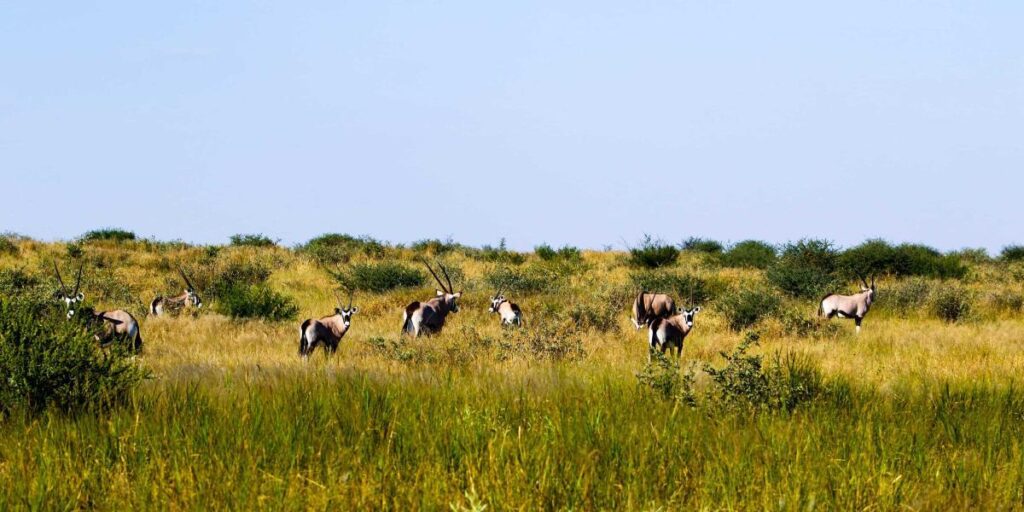
Botswana’s Central Kalahari Game Reserve covers approximately 52,800 square kilometres, making it one of Africa’s largest wildlife reserves. According to Botswana Tourism, the reserve is an important destination for experiencing the country’s vast wilderness and distinctive wildlife.
Its landscape consists of expansive sandy plains, grasslands, fossil river valleys and seasonal water pans.
Unlike the better-known wetlands of the Okavango Delta, the Central Kalahari experiences long dry periods. Nevertheless, seasonal rainfall transforms parts of the reserve into productive grasslands. Wildlife includes springbok, gemsbok, giraffes, wildebeest and several large predators.
The reserve is also famous for its black-maned Kalahari lions. During the rainy season, animals gather around areas with fresh vegetation and seasonal water. Consequently, wildlife viewing conditions can change considerably throughout the year.
Beyond its ecological importance, the reserve forms part of Botswana’s wider conservation and tourism strategy.
3. Namib-Naukluft National Park – Namibia
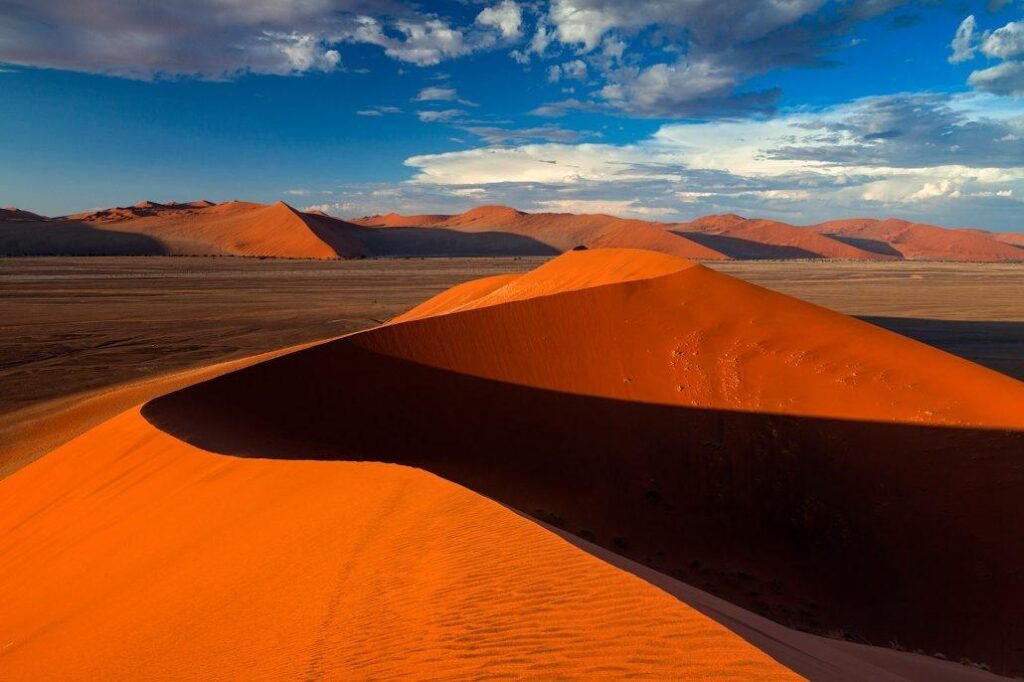
Namibia’s Namib-Naukluft National Park covers approximately 49,768 square kilometres. The Namibia Ministry of Environment, Forestry and Tourism provides information about the park’s conservation significance and natural attractions.
It protects an extraordinary section of the Namib Desert, one of the world’s oldest desert environments. The park features towering red sand dunes, rocky mountains, gravel plains and dramatic desert valleys. Its most recognisable attractions include the Sossusvlei dunes and Sesriem Canyon.
Although water is scarce, the region supports specially adapted wildlife. These include oryx, springbok, mountain zebras, brown hyenas and desert-adapted bird species. Furthermore, the park protects unique desert vegetation, including the remarkable Welwitschia plant.
Its importance extends beyond wildlife protection. The landscape also attracts international visitors, making conservation an important part of Namibia’s tourism economy.
4. Selous Game Reserve and Nyerere National Park – Tanzania
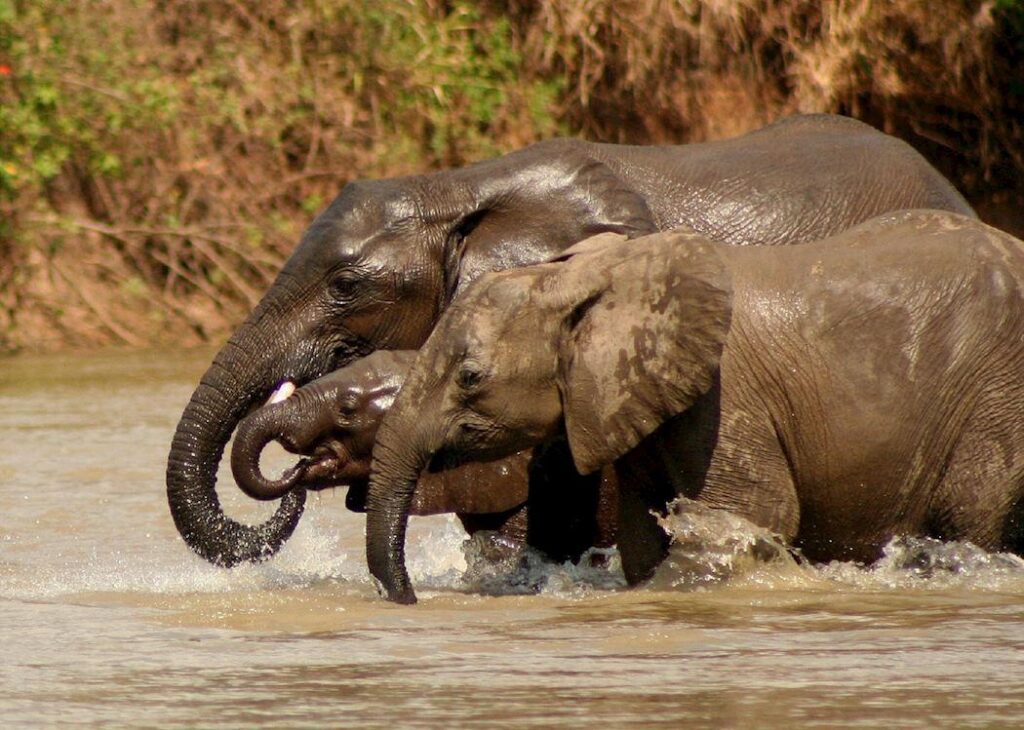
Tanzania contains some of Africa’s most important wildlife conservation landscapes. The historic Selous Game Reserve covered approximately 50,000 square kilometres and supported large populations of elephants, hippos, crocodiles, giraffes and other wildlife.
In 2019, the main photographic tourism area of the former Selous Game Reserve was renamed Nyerere National Park. However, the wider Selous conservation landscape includes areas that retain other reserve designations.
The region contains miombo woodlands, grasslands, wetlands and riverine forests. These habitats support important ecological processes and provide breeding and feeding grounds for numerous species.
The Rufiji River system is particularly important because it sustains wildlife and creates diverse wetland habitats. Moreover, the wider landscape remains important for elephant conservation and Tanzania’s biodiversity protection efforts.
5. Niassa Special Reserve – Mozambique
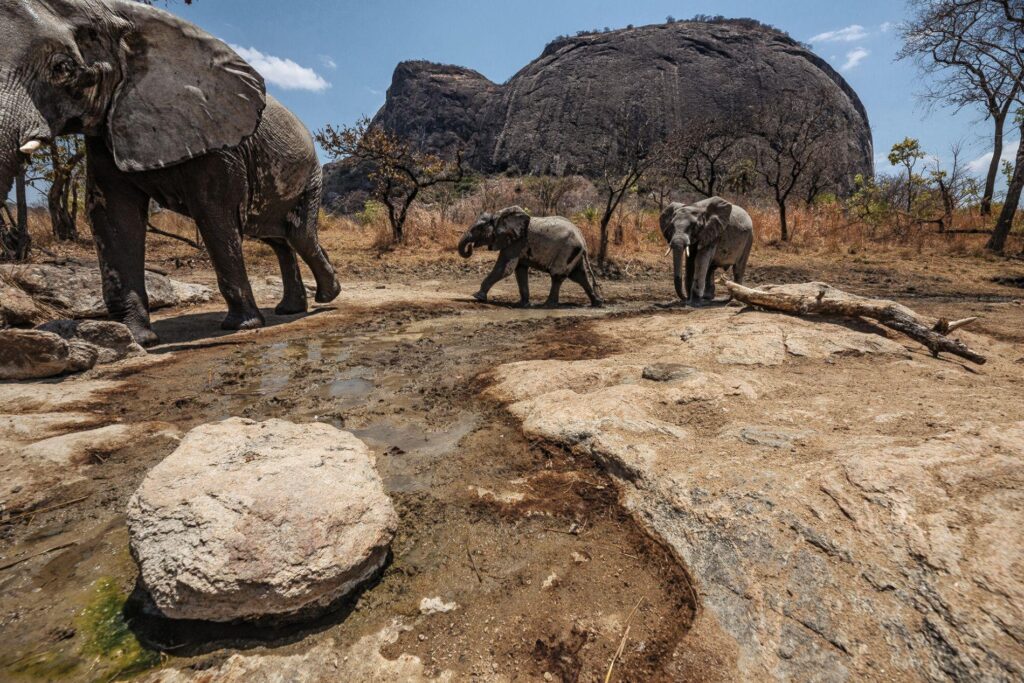
Mozambique’s Niassa Special Reserve is one of Africa’s largest remaining wilderness landscapes. It covers approximately 42,000 square kilometres across northern Mozambique, particularly Niassa and Cabo Delgado provinces.
The reserve contains extensive miombo woodlands, open savannahs, rivers and rocky hills. Its wildlife includes elephants, lions, leopards, wild dogs, zebras and several antelope species.
Importantly, Niassa forms part of a broader conservation landscape connected to Tanzania through the Selous-Niassa corridor. This connection supports ecological movement between important habitats.
Nevertheless, the reserve faces significant pressures from poaching, agricultural expansion, illegal mining and uncontrolled resource extraction. Conservation organisations and local communities therefore play important roles in protecting its biodiversity.
Comparing Africa’s Major Conservation Landscapes
Size alone does not determine the ecological importance of a protected area. The Aïr and Ténéré reserves protect rare desert ecosystems, while the Central Kalahari supports wildlife adapted to semi-arid grasslands.
Similarly, Namib-Naukluft preserves desert biodiversity, whereas Niassa protects extensive woodland ecosystems. Selous and the wider Nyerere landscape support large mammals and important river-based habitats.
These differences demonstrate the importance of protecting several types of ecosystems rather than concentrating conservation efforts in one geographical region.
The Importance of Biodiversity in African Protected Areas
Africa’s protected landscapes support biodiversity that has global ecological importance.
1. Protecting Endangered Species
Many protected areas provide essential habitats for threatened animals. Elephants, black rhinos, African wild dogs and several large carnivores depend on effective conservation programmes.
Without adequate protection, habitat destruction and illegal hunting could accelerate population declines.
2. Maintaining Migration Routes
Wildlife migration is an important ecological process. Animals move across landscapes in response to seasonal rainfall, water availability and food supplies.
Therefore, conservation authorities must maintain connections between parks, reserves and surrounding community lands.
3. Supporting Tourism and Local Economies
Wildlife tourism generates income, employment and investment in many African countries. Safari operations, accommodation providers, tour guides and local businesses benefit from visitors.
Furthermore, developing Africa’s largest manufacturing economies can support local industries producing safari vehicles, conservation equipment, camping supplies and other tourism-related products. This creates additional economic opportunities while strengthening domestic supply chains.
However, tourism must operate responsibly. Poorly managed development can damage habitats and create pressure on wildlife.
Challenges Facing Africa’s National Parks and Reserves
Despite their importance, many conservation areas face serious threats.
- Poaching and illegal wildlife trade: Illegal hunting threatens elephants, rhinos and other vulnerable species.
- Habitat destruction: Agricultural expansion, mining, logging and infrastructure development can fragment natural ecosystems.
Mining and infrastructure development can also fragment natural ecosystems. Although Africa’s strategic mineral resources offer significant economic opportunities, governments must balance mineral development with environmental protection and responsible land management.
- Climate change: Rising temperatures, droughts and changing rainfall patterns affect vegetation, water supplies and wildlife movement.
- Human-wildlife conflict: Animals sometimes enter farms and settlements, damaging crops, threatening livestock and creating tensions with communities.
- Limited funding: Conservation authorities need adequate funding for research, monitoring, ranger training and habitat restoration.
Consequently, protecting large landscapes requires cooperation between governments, conservation organisations, businesses and local communities.
How African Countries Can Strengthen Wildlife Conservation
Africa can improve conservation outcomes through several practical measures.
First, governments should strengthen wildlife protection laws and improve enforcement against illegal hunting.
Second, conservation authorities should invest in modern monitoring systems, including satellite technology, camera traps and wildlife tracking.
Third, communities living around protected areas should benefit from tourism revenue and conservation programmes.
Additionally, countries should strengthen cross-border conservation agreements to protect migration routes and shared ecosystems.
Finally, sustainable tourism can provide long-term economic incentives for protecting wildlife.
Conclusion: Protecting Africa’s Natural Heritage
Africa’s largest national parks and wildlife reserves represent some of the world’s most important natural landscapes.
From Niger’s enormous desert reserves to Botswana’s Central Kalahari and Mozambique’s Niassa wilderness, these conservation areas protect biodiversity on an extraordinary scale.
However, their importance goes beyond geographical size. They preserve ecosystems, support threatened species, maintain migration routes and create economic opportunities through responsible tourism.
Ultimately, Africa’s conservation future depends on effective management, adequate investment and meaningful community participation.
Protecting these landscapes today will help ensure that future generations can continue to experience the continent’s extraordinary wildlife and natural heritage.
The Protected Planet database provides regularly updated information about protected areas across Africa, including their geographical coverage, conservation designations and management status.