Which African countries are leading solar power generation and installed capacity?
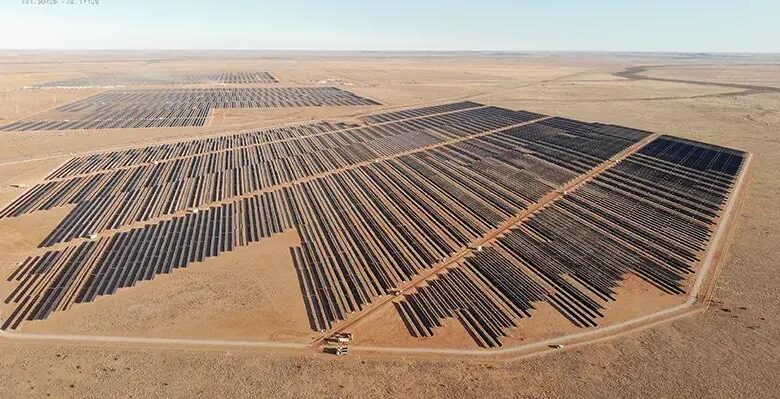
Africa has some of the world’s greatest solar energy resources, yet countries across the continent are developing this potential at different speeds. From South Africa’s expanding photovoltaic industry to Egypt’s massive solar installations, investment in renewable electricity is changing Africa’s energy landscape.
Solar power is becoming increasingly important as African economies seek reliable electricity, lower energy costs and cleaner alternatives to fossil fuels. Businesses, households and governments are also investing in solar technology to address electricity shortages and expand access to power.
African economic growth is also supported by strong financial institutions that help fund businesses, infrastructure and development projects. Explore our ranking of Africa’s 30 largest banks in 2026 to see the financial institutions shaping the continent’s economy.
According to the International Renewable Energy Agency (IRENA), Africa had approximately 21,003 megawatts (21 GW) of installed solar photovoltaic capacity at the end of 2025. This represents significant growth from 17,190 MW in 2024.
But which countries are leading this expansion? And how much solar infrastructure have they developed?
Using IRENA’s Renewable Capacity Statistics 2026, this ranking identifies the 10 African countries with the largest installed solar photovoltaic capacity in 2025.
Africa’s 10 Largest Solar Energy Producers in 2025
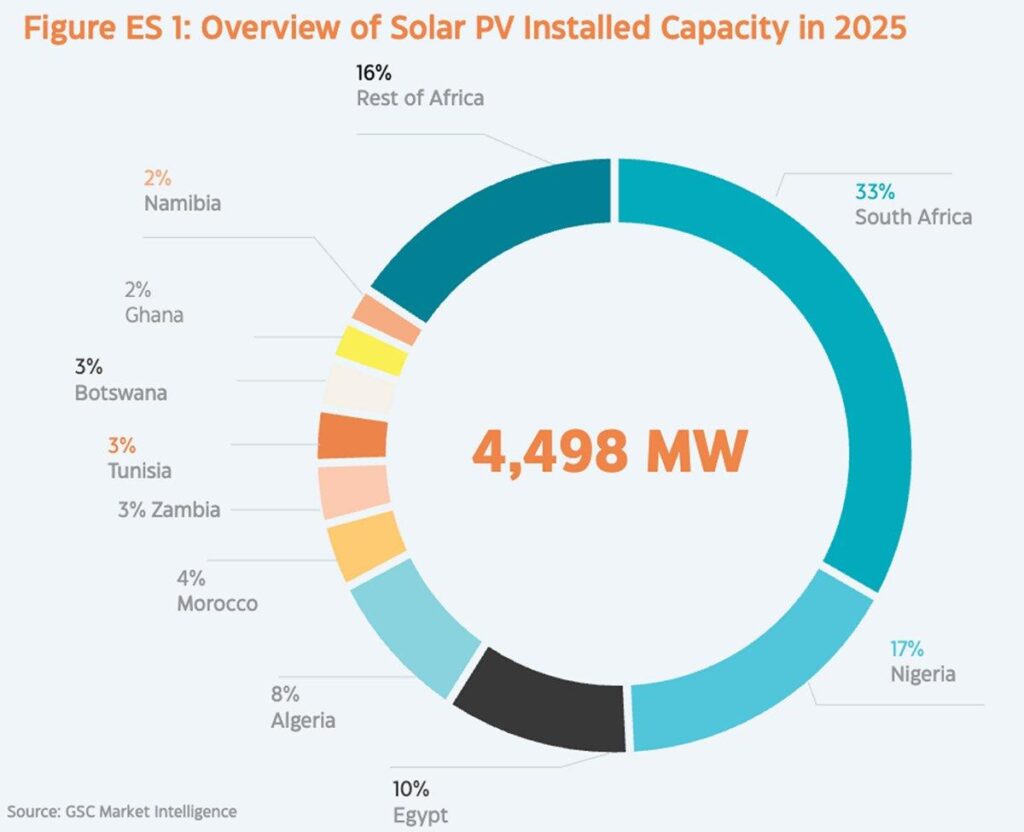
The following table ranks African countries by their installed solar photovoltaic capacity at the end of 2025.
| Rank | Country | Installed Solar Capacity |
|---|---|---|
| 1 | South Africa | 10,655 MW |
| 2 | Egypt | 3,247 MW |
| 3 | Tunisia | 895 MW |
| 4 | Kenya | 551 MW |
| 5 | Morocco | 546 MW |
| 6 | Algeria | 437 MW |
| 7 | Namibia | 389 MW |
| 8 | Angola | 385 MW |
| 9 | Zambia | 328 MW |
| 10 | Senegal | 290 MW |
Source: IRENA, Renewable Capacity Statistics 2026 (Figures represent installed solar photovoltaic capacity in 2025).
Which African Countries Have the Largest Solar Capacity?
1. South Africa – 10,655 MW
South Africa leads Africa’s solar energy industry with approximately 10,655 MW of installed solar photovoltaic capacity in 2025.
Its position reflects years of investment in utility-scale solar farms, commercial rooftop installations and independent power generation. The country’s electricity challenges have also encouraged businesses and households to explore alternatives to conventional grid supply.
The Northern Cape has become an important centre for solar development because of its favourable sunlight conditions and available land.
South Africa’s Renewable Energy Independent Power Producer Procurement Programme has also helped attract private investment into large renewable energy projects.
2. Egypt – 3,247 MW
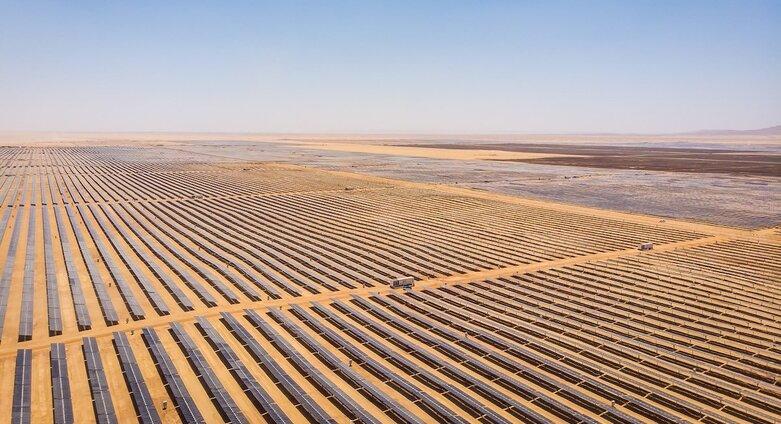
Egypt ranks second with 3,247 MW of installed solar photovoltaic capacity. The country benefits from abundant sunshine, particularly across its southern desert regions. It has used these conditions to develop large solar installations that support its growing electricity demand.
One of its most prominent developments is the Benban Solar Park in Aswan. With a planned combined capacity of approximately 1.65 GW, the complex represents one of Africa’s largest solar energy developments.
Egypt continues to promote renewable energy as part of its strategy to diversify electricity production and strengthen its position in the regional energy market.
3. Tunisia – 895 MW
Tunisia ranks third with approximately 895 MW of installed solar photovoltaic capacity. The North African country is expanding renewable energy investment to reduce its dependence on natural gas and imported energy.
Its solar development strategy includes large photovoltaic projects and smaller installations for homes and businesses.
Tunisia’s favourable solar conditions provide opportunities to expand electricity production while supporting its long-term energy transition.
The government has also encouraged private-sector participation in renewable energy development through investment programmes and power procurement initiatives.
4. Kenya – 551 MW
Kenya ranks fourth with approximately 551 MW of installed solar photovoltaic capacity. The country has developed a diverse renewable energy sector that includes geothermal, hydropower, wind and solar electricity.
Solar power is particularly valuable in remote communities and commercial operations where extending conventional electricity infrastructure can be expensive.
The Garissa Solar Power Plant is one of Kenya’s notable renewable energy projects. Its approximately 50 MW capacity helps supply electricity to the national grid.
Kenya’s growing off-grid solar market also supports households and businesses that need electricity beyond the reach of reliable grid connections.
5. Morocco – 546 MW
Morocco ranks fifth with approximately 546 MW of installed solar photovoltaic capacity. The country has become one of Africa’s most recognised renewable energy investment destinations.
Its flagship Noor Ouarzazate Solar Complex combines different solar technologies, including concentrated solar power and photovoltaic installations.
Morocco’s renewable energy strategy also includes wind and hydropower. These investments aim to diversify electricity production, reduce dependence on imported fossil fuels and support industrial development.
Its location and strong renewable energy ambitions also create opportunities for future electricity exports.
6. Algeria – 437 MW
Algeria occupies sixth place with approximately 437 MW of installed solar photovoltaic capacity.
The country has substantial solar resources, particularly across the Sahara, where sunlight conditions offer significant potential for large-scale projects.
Although Algeria’s energy industry has traditionally depended on natural gas and petroleum, solar development provides an opportunity to diversify its electricity supply.
The government has introduced renewable energy programmes to encourage investment in photovoltaic installations and reduce domestic dependence on fossil-fuel electricity.
7. Namibia – 389 MW
Namibia ranks seventh with approximately 389 MW of installed solar photovoltaic capacity. The country receives abundant sunshine and has increasingly recognised solar power as an important tool for improving energy security.
Solar installations support commercial operations, mining activities and electricity supply in remote communities. Namibia also offers opportunities for private renewable energy developers through independent power projects.
Despite its relatively small population, the country demonstrates how solar investment can support electricity diversification and reduce reliance on imported power.
8. Angola – 385 MW
Angola ranks eighth with approximately 385 MW of installed solar photovoltaic capacity. The country is expanding solar infrastructure to improve electricity access, particularly in rural areas where conventional grid connections remain limited.
Large solar developments have received support from international financing institutions and government investment programmes.
Solar electricity can complement Angola’s substantial hydropower resources, creating a more diversified energy system.
The expansion of photovoltaic projects could also support economic activities in communities that currently experience limited electricity access.
9. Zambia – 328 MW
Zambia ranks ninth with approximately 328 MW of installed solar photovoltaic capacity. The country has traditionally depended heavily on hydropower. However, droughts and changing rainfall patterns have exposed the risks of relying on a single major electricity source.
Solar power offers an alternative that can strengthen electricity supply during periods of reduced water availability.
Projects such as the Bangweulu Solar Power Plant demonstrate Zambia’s commitment to expanding renewable electricity infrastructure.
Further investment in solar farms and distributed installations could improve energy reliability for households and businesses.
10. Senegal – 290 MW
Senegal completes Africa’s top 10 with approximately 290 MW of installed solar photovoltaic capacity. The West African country has developed several utility-scale solar projects to diversify its electricity supply and reduce dependence on fossil fuels.
The Bokhol Solar Power Plant is one of its recognised renewable energy developments. Senegal’s solar expansion also supports its broader energy transition objectives, which include improving electricity access and attracting private investment.
Continued development could strengthen the country’s position as an important renewable energy market in West Africa.
What Is Driving Solar Energy Growth in Africa?
Several factors are encouraging governments and private investors to expand solar infrastructure across the continent.
1. Abundant sunshine: Many African countries receive substantial sunlight throughout the year, creating favourable conditions for photovoltaic installations.
2. Rising electricity demand: Population growth, urbanisation and industrial development are increasing the need for reliable electricity. For more details, see the International Energy Agency.
As electricity demand continues to rise, technology and digital infrastructure are also increasing the need for reliable power. Read our ranking of Africa’s leading computing and tech countries in 2026 to discover the countries advancing the continent’s technology sector.
3. Energy security: Solar installations help countries diversify electricity supplies and reduce dependence on imported fuels.
4. Private investment: Independent power producers, international development institutions and commercial investors are financing new renewable energy projects.
5. Rural electrification: Off-grid solar systems and mini-grids can supply electricity to communities without reliable connections to national networks.
Solar Capacity vs Solar Electricity Generation: What Is the Difference?
Installed capacity and electricity generation measure two different aspects of solar energy.
Installed capacity refers to the maximum rated output of solar power installations. Electricity generation measures how much electricity those installations actually produce over a specific period.
For example, a country can have substantial installed solar capacity but generate less electricity if its installations experience poor weather conditions, maintenance problems or grid limitations.
Namibia provides an interesting example. Ember’s electricity data shows that solar accounted for approximately 35.4% of its electricity generation in 2024, placing it among the world’s leading countries by solar share.
This demonstrates why installed capacity alone cannot fully describe a country’s solar energy performance.
Conclusion: Africa’s Solar Energy Potential Is Growing
Africa’s solar energy industry is expanding, but the continent still has considerable room for development.
South Africa remains the clear leader in installed solar photovoltaic capacity, while Egypt and Tunisia demonstrate the growing importance of North African renewable energy markets. Kenya, Morocco, Namibia and other countries are also strengthening their solar infrastructure.
Nigeria, despite its enormous sunshine potential, has yet to enter the continent’s top 10 in this installed-capacity ranking. Its growing demand for off-grid electricity and commercial solar installations could create significant opportunities for future expansion.
With stronger electricity networks, improved financing, supportive government policies and continued private-sector investment, solar power could become one of Africa’s most important tools for improving electricity access and supporting economic development.
Beyond energy, investment in transport and logistics infrastructure is equally important for Africa’s long-term economic development. Explore our ranking of Africa’s 20 busiest seaports by cargo volume in 2026 to see the ports supporting trade and regional connectivity.
The continent has the sunlight. The next challenge is turning that natural advantage into dependable electricity for millions of people.