Stretching along Namibia’s remote Atlantic coastline, the Skeleton Coast is unlike anywhere else on Earth. Often described as one of Africa’s last true wildernesses, this hauntingly beautiful region is famous for its abandoned shipwrecks, towering sand dunes, dense coastal fog, and incredible wildlife that has adapted to survive in one of the world’s harshest environments.
Although it may appear desolate at first glance, the Skeleton Coast is filled with life, history, and adventure. It offers travelers an unforgettable combination of dramatic landscapes, rich indigenous culture, rare desert wildlife, and some of the most breathtaking scenery in Southern Africa.
If you’re searching for an African destination that goes beyond the typical safari experience, Namibia’s Skeleton Coast deserves a place on your travel bucket list.
Also Read: What are the Best Places to Visit in Africa?
Where Is the Skeleton Coast?
The Skeleton Coast lies in northwestern Namibia, bordering the Atlantic Ocean. The coastline stretches for roughly 500 kilometres (311 miles) from the Kunene River near the Angolan border south toward the Swakop River.
Much of the coastline falls within the protected Skeleton Coast National Park, covering more than 16,000 square kilometres of untouched wilderness.
Unlike many African destinations that are heavily developed for tourism, the Skeleton Coast remains remarkably isolated. Visitors can travel for hours without seeing another vehicle, making it one of Africa’s most remote protected areas.
For official information about Namibia’s parks, visit the Namibia Ministry of Environment, Forestry and Tourism.
Why Is It Called the Skeleton Coast?


The Skeleton Coast earned its chilling name from the countless shipwrecks and whale bones scattered along its shores.
For centuries, thick Atlantic fog, violent waves, unpredictable currents, and dangerous sandbanks trapped ships attempting to navigate the coastline. Once a vessel became stranded, escaping was often impossible because survivors faced an endless desert with virtually no fresh water.
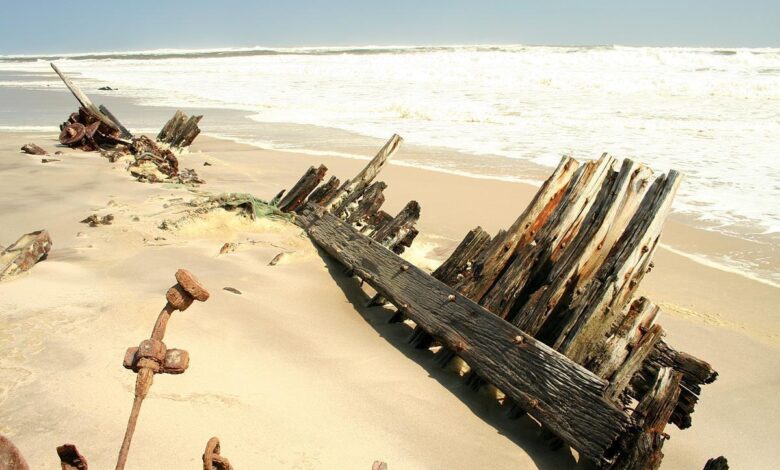
The coastline is littered with rusting remains of cargo ships, fishing vessels, and old steamships that serve as haunting reminders of these maritime disasters.
Long before European sailors arrived, indigenous San communities reportedly referred to the coastline as “The Land God Made in Anger” because of its unforgiving environment.
Today, these historic shipwrecks have become one of Namibia’s biggest tourist attractions and provide fascinating insight into Africa’s maritime history.
Top Reasons to Visit Namibia’s Skeleton Coast
1. Explore One of the World’s Largest Shipwreck Graveyards
One of the biggest attractions is the collection of abandoned ships scattered across the coastline.
Some shipwrecks have remained stranded for decades, slowly being swallowed by shifting desert sands. Others stand dramatically against the crashing Atlantic waves, creating incredible photography opportunities.
Each wreck tells a different story of survival, navigation, and the unforgiving power of nature.
The Skeleton Coast demonstrates how the Atlantic Ocean and Namib Desert have shaped one another for thousands of years.
2. Experience Incredible Desert Wildlife


Many people assume nothing can survive in such an extreme environment.
The opposite is true.
The Skeleton Coast supports an impressive variety of wildlife specially adapted to desert conditions.
Visitors may encounter:
- Desert-adapted elephants
- Desert lions
- Giraffes
- Gemsbok (oryx)
- Springbok
- Kudu
- Black-backed jackals
- Brown hyenas
- Ostriches
- Hundreds of bird species
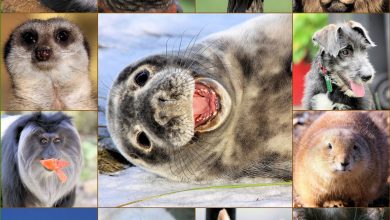
One of the region’s greatest wildlife spectacles is the enormous Cape fur seal colony at Cape Cross Seal Reserve.
Between 80,000 and 100,000 seals live here throughout the year, while breeding season can attract more than 200,000 seals, making it one of the largest seal colonies in the world.
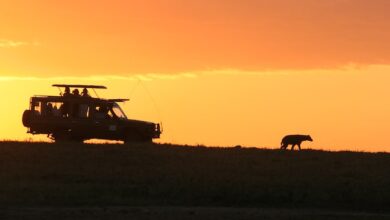
Predators including jackals and hyenas patrol the beaches searching for vulnerable pups.
3. Witness Stunning Desert Meets Ocean Landscapes
Very few places on Earth offer scenery quite like the Skeleton Coast.
Here, enormous sand dunes roll directly into the Atlantic Ocean, creating one of Africa’s most spectacular natural landscapes.
The scenery constantly changes as:
- Massive dunes shift with the wind.
- Dry riverbeds carve through the desert.
- Rocky mountains emerge from endless plains.
- Dense ocean fog blankets the coastline.
Photographers often describe Skeleton Coast as one of the most surreal landscapes anywhere on the planet.
The region forms part of the ancient Namib Desert, considered the world’s oldest desert, estimated to be over 55 million years old.
4. Enjoy One of Africa’s Most Exclusive Safari Experiences
Unlike popular safari destinations that attract thousands of visitors each year, Skeleton Coast offers remarkable solitude.
Luxury eco-lodges operate with very limited guest numbers, allowing visitors to experience nature without crowds.
Popular activities include:
- Guided 4×4 safaris
- Walking safaris
- Scenic flights
- Quad biking
- Birdwatching
- Photography tours
- Deep-sea fishing
- Sand dune excursions
The peaceful atmosphere makes it an ideal destination for travelers seeking a more exclusive African adventure.
5. Meet the Himba People


Northern Namibia is home to the Himba tribe, one of Africa’s best-known indigenous communities.
The Himba have maintained many of their traditional customs despite modernization.
Visitors who respectfully tour Himba villages can learn about:
- Traditional dress
- Livestock farming
- Family structure
- Cultural ceremonies
- Ancient survival techniques
- Herbal medicine
These cultural experiences provide valuable insight into one of Africa’s oldest living traditions.
Responsible tourism helps preserve Himba heritage while supporting local communities.
6. Discover One of Africa’s Best Destinations for Photography
The Skeleton Coast is a dream destination for photographers.
Its dramatic combination of fog, dunes, abandoned ships, wildlife, and colorful sunsets creates endless opportunities for stunning images.
Sunrise and sunset are especially magical as golden light transforms the landscape into an almost otherworldly scene.
Professional wildlife photographers regularly rank Skeleton Coast among Africa’s most photogenic destinations.
Is the Skeleton Coast Dangerous?
Despite its intimidating name, the Skeleton Coast is generally safe for tourists.
The dangers that claimed countless ships over the centuries—strong Atlantic currents, dense fog, and shifting sandbars—pose little risk to visitors staying on land.
However, because of the area’s extreme remoteness, travelers should:
- Travel with experienced guides.
- Carry plenty of drinking water.
- Avoid driving off marked routes.
- Use a suitable 4×4 vehicle.
- Inform others of travel plans if self-driving.
Guided safaris remain the safest and most enjoyable way to explore the region.
How to Get to the Skeleton Coast
Most international visitors arrive in Namibia through Hosea Kutako International Airport near Windhoek.
From there, travelers can:
- Fly to Swakopmund or Walvis Bay.
- Join a guided safari.
- Take a charter flight directly to Skeleton Coast lodges.
- Rent a 4×4 vehicle for a self-drive adventure.
Because many roads are unpaved and mobile phone coverage is limited, careful planning is essential.
Best Time to Visit Skeleton Coast
The Skeleton Coast can be visited throughout the year, but the ideal months are generally May to October, when temperatures are cooler and wildlife is easier to spot around water sources.
Visitors interested in seeing Cape fur seal breeding activity should consider traveling between November and December.
Morning fog is common year-round and contributes to the region’s mysterious atmosphere.
Final Thoughts
Namibia’s Skeleton Coast is one of Africa’s most extraordinary destinations. Its haunting shipwrecks, endless dunes, rich wildlife, indigenous cultures, and untouched landscapes create an adventure unlike anywhere else on the continent.
Whether you’re fascinated by history, passionate about wildlife photography, or simply looking for an off-the-beaten-path African experience, the Skeleton Coast delivers memories that will last a lifetime.
Few places combine such dramatic beauty with such profound isolation, making it one of Africa’s true hidden treasures.
FAQs
What is the Skeleton Coast?
The Skeleton Coast is a remote and desolate stretch of coastline in northern Namibia, known for its stark beauty, shipwrecks, and desert-adapted wildlife.
How did the Skeleton Coast get its name?
The Skeleton Coast earned its name from the countless shipwrecks that dot its shores, along with the bones of their crews and the animal skeletons that litter the beaches.
What kind of wildlife can be found on the Skeleton Coast?
The Skeleton Coast is home to a surprising array of desert-adapted wildlife, including lions, hyenas, elephants, and 11 species of shark. It’s also a popular spot for seals and flamingos.
Is it possible to surf on the Skeleton Coast?
Yes, the Skeleton Coast has become a popular destination for surfers, thanks to the cold Benguela Current that creates ideal conditions for surfing. Several spectacular breaks attract surfers from around the world.
How do you get to the Skeleton Coast?
The Skeleton Coast is accessible by 4×4 vehicle from the nearby town of Swakopmund, or by scenic flights that skim low across the sea and sand. It’s a remote and isolated region, with very few signs of human habitation.
What is the climate like on the Skeleton Coast?
The Skeleton Coast has a harsh, arid climate, with fog and strong winds being common. Temperatures can range from freezing at night to scorching during the day.
Why is the Skeleton Coast so alluring to visitors?
The Skeleton Coast exerts a powerful pull on visitors because of its stark beauty, haunting history, and sense of remoteness. It’s a place that challenges preconceptions and forces visitors to confront the raw power of nature.
In conclusion, Namibia’s Skeleton Coast defies easy description. It’s a land of extremes, where the desert meets the sea in a clash of raw power and stark beauty.
It’s a place that has claimed countless lives over the centuries but also nurtures life in the most unlikely of ways.
For those who visit, the Skeleton Coast leaves an indelible mark, a reminder of nature’s enduring power and human existence’s insignificance in the face of such vast and untamed forces.