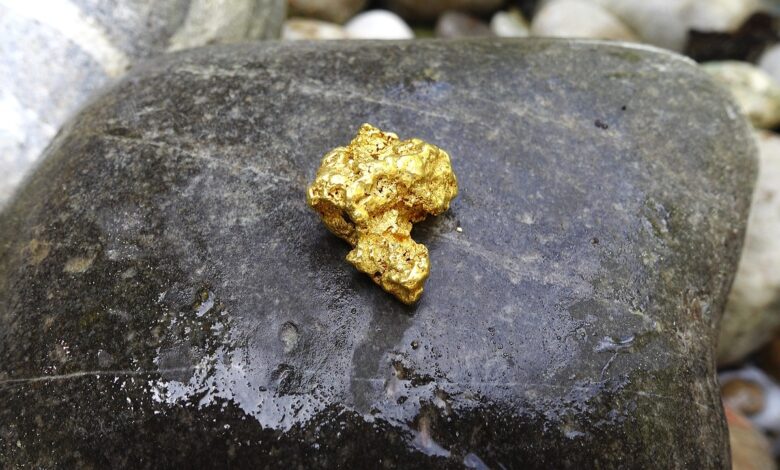
Gold has always stood as a symbol of wealth, stability, and economic resilience. For many African nations, gold reserves are more than just stored value they are crucial tools for safeguarding against economic volatility, supporting national currencies, and attracting foreign investment. In this article, we explore the Top 10 African countries with the largest gold reserves, examining how much each holds, why those reserves matter, and how they are being used.
Also Read: Renew Energy Resources in Africa
Why Gold Reserves Matter
- Gold reserves act as financial safety nets. They enable countries to:
- Hedge against inflation and currency devaluation.
- Support their foreign currency and balance of payments.
- Strengthen confidence among international investors.
- Buffer against unexpected economic or political shocks.
The Top 10 African Countries with the Largest Gold Reserves
The following ranking is based primarily on data from the World Gold Council, national central banks, and financial reports.
10 Mozambique ~3.94 tonnes
Though smaller in terms of reserve size, Mozambique’s gold holdings are strategically important for enhancing its foreign exchange reserves.
9 Tunisia ~6.84 tonnes
Tunisia’s gold reserves help the country manage external pressures and provide stability in monetary policy.
8 Ghana ~8.74 tonnes
Ghana is one of Africa’s top producers of gold; maintaining reserves helps smooth out fluctuations in export earnings and currency value.
7 Mauritius ~12.42 tonnes
Mauritius, gold reserves are crucial for financial security, given the size of its economy and reliance on trade and financial services.
6 Nigeria ~21.37 tonnes
Nigeria has been steadily increasing the value of its reserves as external reserves and foreign exchange earned through gold become more important.
5 Morocco ~22.12 tonnes
Morocco maintains moderate gold reserves relative to the top holders but plays a key role in North Africa’s reserve landscape.
4 South Africa ~125.44 tonnes
South Africa remains one of the most historical gold-rich nations, although production has slowed. Its reserves are still among the highest in Africa.
3 Egypt ~128 tonnes
Egypt has been boosting its gold reserves to support foreign exchange reserves and reduce exposure to external debt pressures.
2 Libya ~146.65 tonnes
Libya’s gold reserves have been increasing; in 2023 alone, the Central Bank acquired about 30 tonnes.
1 Algeria 173.56 tonnes
Algeria holds the largest gold reserves in Africa. The Banque d’Algérie maintains this as part of its long-term financial strategy, using gold to hedge against currency risks and to diversify away from oil dependency.
Comparisons & Trends
- Northern Africa Dominance: Among the Top 10 African countries with the largest gold reserves, North African countries especially Algeria, Libya, Egypt, and Morocco feature prominently. This reflects their long-standing policies to accumulate reserves.
- Sub-Saharan Presence: Nigeria, Ghana, and Mauritius make the list, though their reserves are significantly smaller than those of the top holders. Their position highlights both the importance of gold in their reserve strategies and potential for future growth.
- Stability Over Time: Some countries like Algeria have had fairly stable gold reserve amounts over recent years. For example, Algeria’s reserves have hovered around ~173.5 tonnes through most of 2025.
Case Study: Nigeria
While Nigeria does not top the list, its position as one of the Top 10 African countries with the largest gold reserves is noteworthy:
As of late 2024, the Central Bank of Nigeria reported that its gold reserves were valued at N2.77 trillion, up significantly from the previous year, though the physical holdings remained unchanged.
In terms of weight, Nigeria’s gold holdings are approximately 21.37 tonnes.
Nigeria is increasing its reliance on gold within its reserves portfolio to mitigate exposure to foreign currency fluctuations and oil-price shocks.
Challenges & Opportunities
Challenges facing these Top 10 African countries with the largest gold reserves include:
1. Valuation and Liquidity Risks: While gold is a stable asset, its market price can fluctuate due to global economic trends. Converting gold into cash or foreign currency may also involve logistical or regulatory delays.
2. Political and Structural Risks: Countries with unstable political environments may find it difficult to safely store or increase their reserves. Libya, for example, has had to balance reserves accumulation amid governance challenges.
3. Opportunity Cost: Capital tied up in gold reserves cannot always be used for immediate development priorities (infrastructure, healthcare, etc.).
Opportunities include:
Using gold reserves to improve creditworthiness in international markets.
Stabilizing national currencies, especially in inflationary environments.
Diversifying reserves away from foreign currencies that may be more exposed to geopolitical risk.
Recent Developments
- According to recent reports, Algeria still holds its position with around 173.56 tonnes in gold reserves as of Q1-Q2 2025.
- Libya has raised its reserves to about 146.65 tonnes.
- Egypt is also close to 128 tonnes, showing active strategies to bolster its reserves.
Conclusion
For countries aiming for economic stability, the Top 10 African countries with the largest gold reserves serve as benchmarks. Whether for hedging against currency risks, bolstering investor confidence, or navigating global uncertainties, gold remains indispensable in the reserve portfolios of these nations.
While nations like Algeria, Libya, and Egypt lead in sheer volume, others like Nigeria, Ghana, Mauritius, Tunisia, and Mozambique exemplify how even moderate reserve holdings can play a critical role in financial strategy.