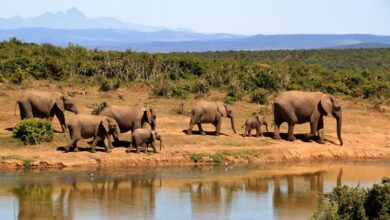
A Look Inside Luxury Safari Segment And Its Future Growth Path


Demand for premium wildlife travel experiences continues to reshape how destinations, operators, and conservation organizations approach visitor management. The luxury safari segment now represents a distinct market with unique expectations around privacy, personalization, and environmental stewardship. Recognizing how this segment operates helps stakeholders position their offerings for long-term success while protecting the ecosystems that make these experiences possible.
Shifting Traveler Priorities and Experience Design
Today’s luxury safari travelers arrive with different priorities than they did a decade ago. Privacy and exclusivity remain important, but guests now expect experiences that align with their values around sustainability and community benefit. This shift influences how lodges design their programs and how guides structure daily activities.
Personalization extends beyond choosing game drive times. Travelers want itineraries shaped around specific wildlife interests, photography goals, or conservation learning opportunities. Some guests prioritize bird species diversity, while others focus on large predator behavior or ecosystem dynamics. This demand for customization requires operators to maintain flexible staffing models and develop guides with specialized knowledge.
Guest Expectations Around Service Standards
Service quality in this segment goes beyond attentive hospitality. Guests expect staff who can answer detailed questions about animal behavior, local conservation challenges, and regional cultural history. The bar for culinary offerings has also risen, with travelers seeking menus that feature local ingredients prepared to international standards. Accommodation design now emphasizes seamless integration with natural surroundings rather than imposing structures that dominate landscapes.
Revenue Drivers and Booking Patterns
The luxury safari segment generates revenue through longer stays and higher daily rates compared to standard wildlife tourism. Guests in this category typically book trips that span seven to fourteen nights, often combining multiple destinations or properties. This extended engagement creates opportunities for deeper conservation education and more meaningful cultural exchanges with local communities.
Booking lead times have lengthened as travelers plan more complex itineraries. Many luxury safari reservations occur six to twelve months in advance, particularly for peak migration seasons or properties with limited capacity. This advance planning allows operators to manage staffing and inventory more effectively, though it also requires flexible cancellation policies that protect both parties.
Add-On Experiences and Premium Services
Revenue expansion increasingly depends on specialized activities that extend beyond traditional game drives. Hot air balloon safaris, photographic workshops led by professional wildlife photographers, and private conservancy access all command premium pricing. Some properties offer wellness programs that combine safari activities with spa treatments and guided meditation sessions in natural settings.
Private vehicle and guide assignments that allow guests to set their own schedules and pace
Helicopter transfers between properties that reduce travel time and provide aerial wildlife viewing
Behind-the-scenes conservation experiences including veterinary operations and research participation
Multi-generational programming designed for families traveling with children and grandparents
Destination Infrastructure and Capacity Planning
Luxury safari operations face distinct infrastructure challenges that differ from mass-market tourism. Remote locations require reliable power generation, water management systems, and waste disposal solutions that minimize environmental impact. Solar installations and water recycling systems represent significant capital investments, but they align with guest expectations around sustainability.
Capacity limits protect both guest experiences and ecosystem health. Properties in this segment typically maintain low room counts, which creates scarcity that supports premium pricing but also limits revenue potential. Destination managers must balance conservation carrying capacity with economic viability, making careful decisions about when and where to approve new developments.
Access and Transportation Networks
Getting guests to remote wildlife areas requires coordinated air and ground transportation. Many luxury properties depend on scheduled charter flights or private aircraft access, which adds complexity to logistics planning. Poor weather can disrupt these connections, making contingency planning essential. Ground transfer quality also matters, since guests often spend several hours in vehicles moving between airstrips and lodges.
Conservation Integration and Sustainable Premium Experiences
The connection between luxury safari operations and conservation funding has strengthened considerably. Many premium properties sit within private conservancies or community-managed wildlife areas where visitor fees directly support anti-poaching patrols, habitat restoration, and species monitoring programs. This direct link between travel spending and conservation outcomes appeals to guests who want their trips to generate positive environmental impact.
Transparency around conservation contributions has become a competitive differentiator. Guests want specific information about how their spending supports local wildlife protection and community development. Operators that can demonstrate measurable conservation outcomes through guest-funded initiatives build stronger loyalty and benefit from positive word-of-mouth marketing.
Community Partnership Models
Successful luxury safari operations increasingly depend on genuine partnerships with local communities. These relationships go beyond employment to include revenue sharing arrangements, skills training programs, and support for community-led conservation initiatives. Properties that integrate cultural experiences led by community members create more authentic guest experiences while providing meaningful economic benefits that incentivize wildlife protection.
Market Outlook and Strategic Positioning
The luxury safari segment continues to show resilience despite broader economic uncertainties. Affluent travelers maintain spending on experiential travel even during challenging economic periods, viewing these trips as investments in family memories and personal enrichment rather than discretionary luxuries. This stability makes the segment attractive for long-term investment, though success requires careful attention to changing guest expectations and conservation imperatives.
Emerging source markets are reshaping demand patterns and creating opportunities for operators who understand diverse cultural preferences. Travelers from different regions bring varying expectations around service styles, activity pacing, and dietary requirements. Operators who can adapt their offerings to serve multiple cultural contexts position themselves for sustained growth as global wealth distribution continues to shift.
Current market analysis places the segment at USD 2.6 billion in 2023, reflecting strong recovery from recent disruptions and indicating continued expansion potential. This growth trajectory creates opportunities for destinations and operators who can maintain service excellence while deepening their conservation impact. Travelers planning premium wildlife experiences benefit from working with specialists who understand market dynamics and can match properties to specific preferences, ensuring that each trip delivers both exceptional memories and positive environmental outcomes.