World

Safe & Smart: Africa Travel Tips for Business Travelers to Africa
Discover how to navigate Africa confidently
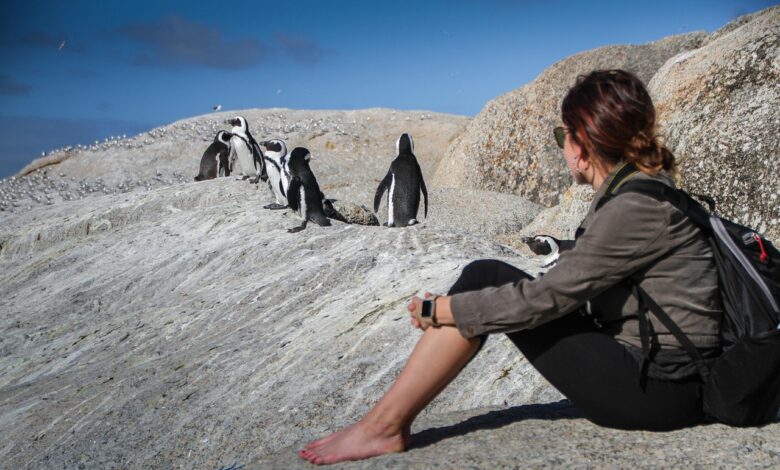
Is it safe to travel to Africa for business? Absolutely; with the right preparation, Africa remains an excellent destination for business travellers. From emerging markets to old trading hubs, the continent combines opportunities, culture, and adventure. But for those whose trip depends on punctual meetings, reliable service, and seamless logistics, knowing what to expect matters. These tips for business travellers to Africa will help you travel more safely, efficiently, and respectfully.
1. Do Your Research Before Departure
A successful trip begins well before you pack.
- Check safety advisories and local laws: Governments like the U.S. Department of State, UK Foreign Office, or your country’s equivalent often maintain country-by-country travel advisories. For example, Columbia University’s ISOS Destination Guides provide detailed safety and security information for places like Kenya and South Africa.
- Understand cultural norms and etiquette: What may be acceptable behavior in your home country could be frowned upon elsewhere. Dress codes, greetings, business customs all matter for building relationships and avoiding misunderstandings.
- Map transportation options: Where will you go from the airport? Are taxis reliable? What about ride-share apps or arranged transfers through your hotel? These logistics are often overlooked but can dramatically affect safety and punctuality. Egencia’s business travel guides stress verifying local transit options and avoiding unlicensed transportation.
2. Health, Vaccinations & Insurance
Business travel isn’t just about meetings; it’s about ensuring you can perform at your best.
- Vaccinations & preventive medicine: Many African countries require or recommend vaccines like yellow fever, hepatitis A/B, typhoid, and sometimes rabies. If your itinerary includes rural areas or long stays, malaria prophylaxis may be essential. The “High-Risk Business Travel” guides often emphasize health risk evaluation for travellers to Africa.
- Travel insurance: Comprehensive international travel insurance is a must. Make sure it covers medical emergencies, evacuation, lost baggage, trip delays, and even political unrest.
- Wellness basics: Stay hydrated; avoid food hygiene risks (e.g. raw or uncooked foods or unsterilized water); get adequate rest; carry necessary prescription medications.
3. Personal & Cyber Security
Once health and visa matters are sorted, you need to think through personal security and digital safety, especially as a business traveller.
- Avoid ostentatious displays of wealth: Jewellery, high-end watches, fancy gadgets can mark you as a target for opportunistic theft. Keep things modest. As many regional safety guides warn, business districts may seem secure, but risk rises after dark, in isolated areas, or when valuables are clearly visible.
- Use secure Wi-Fi, VPNs and device protection: Public Wi-Fi is a major vulnerability. Use VPNs, keep software updated, avoid logging into sensitive accounts over unsecured networks. Rennies BCD Travel’s “10 tips for Business Traveller Safety” includes strong advice about avoiding public Wi-Fi and protecting devices.
- Document security: Carry copies of your passport, visa, insurance, and store them separately from originals. Don’t leave documents in unattended hotel rooms. Know where your embassy or consulate is located.
4. Smart Travel & Getting Around
Being punctual, reliable, and safe depends heavily on how you move between places.
- Pre-arrange trusted transport: Arrange airport pickups ahead of time, use reputable car services, or get transfers through your hotel. Avoid accepting rides from strangers. Egencia’s tips for business travellers emphasise the importance of choosing reliable and licensed transportation.
- Limit public transport use in high-risk settings: Shared minibuses, unregulated taxis, or motorcycle taxis (“boda-bodas”) may be cheaper but often come with higher safety risks due to road conditions, lack of regulation, or crime. In Kenya, for example, some public transport options are discouraged for business travellers.
- Choose secure, well-located accommodation: Prefer hotels with good reviews, secure entry systems, safes, and ideally in neighbourhoods close to where your meetings or events are held. Avoid staying alone on high floors without easy access, especially if arriving late in the evening.
5. Cultural & Local Considerations
Understanding local expectations helps in both safety and success.
- Respect local dress and behaviour norms: In many parts of Africa, modest dress is appreciated, especially in religious or rural settings. This helps avoid unwanted attention or offence.
- Business etiquette & meetings: Punctuality, greetings, gift-giving norms, communication styles can vary greatly. Read up or ask in advance. Showing cultural awareness can improve rapport with local partners.
- Safety for female travellers: Women travelling on business in Africa may encounter different risks. Practical steps include choosing secure accommodations, avoiding walking alone at night, using trusted ride services, letting someone know your whereabouts. Guides on Kenya’s destination safety say female business travellers should take extra care particularly in isolated areas or when out after dark.
6. Emergency Preparedness & Backup Plans
Business trips often don’t allow for delays, so you need contingencies.
- Keep emergency contacts handy: Local police, embassy or consulate, on-site contacts, hotel staff.
- Have a plan for unexpected disruptions: Delayed flights, health issues, political unrest, protests. Think through who to call, where to stay, how to reschedule.
- Stay informed during your trip: Use apps or news outlets that provide real-time updates (weather, security alerts). Business travel managers often use traveller tracking tools for safety oversight.
7. Practical Tips to Make Your Trip Smoother
These are smaller, but often overlooked, tips for business travellers to Africa that can make a difference.
- Pack smart: Bring formal/business attire appropriate for local climate, plus comfortable travel clothes. Include items like power adapters, portable chargers, a small first-aid kit, insect repellent, sunscreen.
- Plan your schedule with buffer time: Traffic, customs, delays are often less predictable. Allow extra time between sessions or meetings to avoid rushing this reduces stress and risk.
- Stay flexible and keep communication open: If a meeting is running long, or transport arrives late, update your hosts. Work with travel partners on the ground who understand the local logistics.
- Mind your diet and hydration: Business days are busy; skipping meals may seem efficient until you get ill. Drink bottled or filtered water, avoid raw street food unless you trust the source.
8. Leveraging Local Support & Partners
You don’t have to go it alone.
- Use reputable travel agencies or business travel managers: Agencies with local bases or specialist knowledge can arrange reliable safe transport, vetted accommodations, and well-informed guides.
- Build rapport with local staff: From hotel concierges to hired drivers and guides; respecting them, being polite, and listening to their advice often yields better safety, smoother transitions, and sometimes important local intelligence.
- Know where local legal or help services are: Embassy, legal aid, hospital etc. If something goes wrong, you’ll be glad you planned ahead.
Conclusion
Africa is a complex and diverse continent, but for business travelers, it’s full of potential. By applying these tips for business travelers to Africa from pre-trip research, health, and cultural sensitivity, to smart transport, documentation, and emergency readiness your journey can be both safe and productive.
With proper planning, respect for local norms, and a network of reliable support on the ground, your business trip to Africa can go smoothly not just surviving, but thriving. If you’d like a tailored version of these recommendations for a particular country (for example, Nigeria, Kenya, South Africa etc.), just let me know!
Advertisment