UncategorizedWorld

10 Largest National Parks in the US vs 10 Largest National Parks in Africa: A Tale of Two Wilderness Giants
Journey through breathtaking landscapes
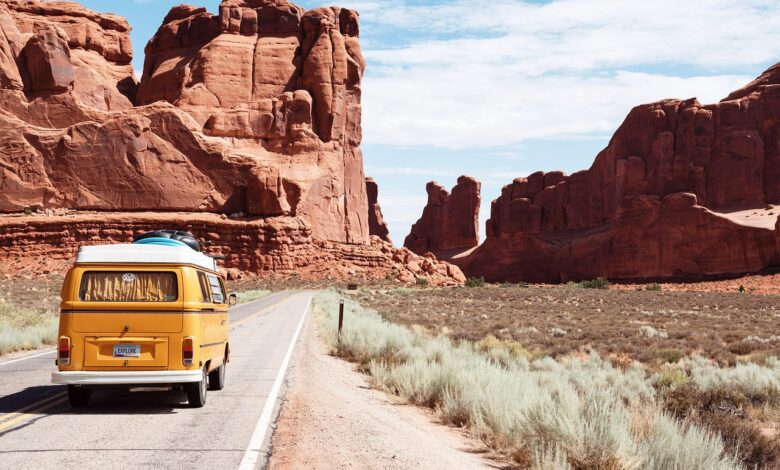
The idea of comparing 10 Largest National Parks in the US Vs 10 Largest National Parks in Africa sheds light on the scale and diversity of protected lands in both continents. National parks are foundational to conservation: in the United States there are over 60 designated National Parks maintained by the National Park Service, while Africa has more than 200 national parks covering about 8.6% of its land area. These parks are established not only to preserve landscapes, ecosystems, and wildlife, but also to allow people to experience nature, enjoy sightseeing, and participate in outdoor recreation.
What Are “10 Largest National Parks in the US”?
When one says 10 Largest National Parks in the US, one refers to the ten U.S. parks with the greatest land area. These are mostly located in Alaska, where vast wilderness and remote terrains permit very large protected zones. Here is a list of those ten, with short details and approximate sizes:
- Wrangell-St. Elias, Alaska – about 33,685 sq km. The largest U.S. national park. It contains glaciers, volcanoes, immense icefields, and abundant wildlife.
- Gates of the Arctic, Alaska – roughly 30,448 sq km. Extremely remote, no roads, boreal landscapes stretching to the Arctic Circle.
- Denali, Alaska – ~ 19,186 sq km. Home of Mount Denali (formerly McKinley), North America’s tallest peak, plus glaciers, tundra, and wildlife like caribou, bears.
- Katmai, Alaska – ~ 14,870 sq km. Known for its volcanic terrain, salmon runs, grizzly bears, and dramatic scenery.
- Death Valley, California & Nevada – ~ 13,793 sq km. The hottest, driest and lowest national park in the U.S., with colorful rock formations, desert vistas, salt flats.
- Glacier Bay, Alaska – ~ 13,045 sq km. Majestic fjords, glaciers plunging into the sea, marine mammals.
- Lake Clark, Alaska – ~ 10,602 sq km. Rugged landscapes, volcanoes, remote rivers; brown bears feeding on salmon are prime attractions.
- Yellowstone, Wyoming / Montana / Idaho – ~ 8,983 sq km. The first national park in the world (established 1872), famous for geothermal features, wildlife like bison, grizzly bears, wolves.
- Kobuk Valley, Alaska – ~ 7,085 sq km. Remote wilderness, sand dunes, migrating caribou herds, little human infrastructure.
- Everglades, Florida – ~ 6,106 sq km. Vast wetlands, mangroves, alligators, manatees, endangered species; preserves a subtropical ecosystem.
What About 10 Largest National Parks in Africa?
Similarly, when we talk about 10 Largest National Parks in the US Vs 10 Largest National Parks in Africa, we’re comparing to Africa’s biggest protected natural areas. Africa’s parks often cover huge expanses of savanna, desert, rainforest, or mixed terrain, supporting massive wildlife populations and extremely diverse flora and fauna. Below are ten of the largest (by area) in Africa, with approximate sizes and features:
- Selous Game Reserve, Tanzania – ~ 55,000 sq km. It is one of Africa’s largest protected areas; rich in biodiversity with elephants, wild dogs, big cats, and large populations of other mammals.
- Central Kalahari Game Reserve, Botswana – ~ 52,000 sq km. A vast semi-arid desert and savanna with wildlife adapted to extreme conditions.
- Namib-Naukluft National Park, Namibia – ~ 49,768 sq km. Known for its dramatic dunes, desert scenery, unique plants such as Welwitschia mirabilis.
- Niassa Reserve, Mozambique – ~ 42,000 sq km. A huge reserve of wilderness, with elephants, predators, birdlife, remote and less visited.
- Kafue National Park, Zambia – ~ 22,400 sq km. The largest national park in Zambia; many habitat types including miombo woodlands, riverine systems, large mammal diversity.
- Etosha National Park, Namibia – ~ 22,270 sq km. Famous for salt pans, waterholes that draw wildlife in dry seasons, and high bird diversity.
- Kruger National Park, South Africa – ~ 19,455 sq km. One of Africa’s most famous parks; excellent infrastructure for visitors; enormous diversity of wildlife.
- Luvuvhu or Luvhuru / Luvushi-Manda etc., Malawi – often smaller than the top ones, but among top-10 in many lists. (~15,000 sq km).
- Serengeti National Park, Tanzania – ~ 14,763 sq km. Famous worldwide for the Great Migration of wildebeest and zebras, large predator populations, wide open plains.
- Hwange National Park, Zimbabwe – ~ 14,651 sq km. Known for its elephant herds, varied terrain, woodlands and open plains.
Comparative Insights: 10 Largest National Parks in the US Vs 10 Largest National Parks in Africa
When engaged in the comparison of 10 Largest National Parks in the US Vs 10 Largest National Parks in Africa, several interesting observations emerge:
- Size differences: The US largest parks are huge, especially in Alaska, but many African parks (or game reserves) are even larger, especially those in remote or semi-arid zones (e.g. Central Kalahari, Selous). The biggest African parks/reserves typically exceed most US largest ones in area.
- Habitat diversity: U.S. parks often protect glacial, tundra, high mountain, desert, wetland and old-growth forest ecosystems. African parks span savanna, desert, tropical rainforest, wetland, floodplain, etc. The variety of habitat types across both continents underscores the importance of protected areas globally.
- Wildlife richness: Africa is widely known for its megafauna: elephants, lions, cheetahs, rhinos, large ungulates migrating long distances — and many parks are essential for these species. The US parks also have significant wildlife, especially in large parks (e.g., caribou, bears, wolves), but the scale is different in terms of migration, species numbers, and ecological pressures.
- Accessibility & infrastructure: Many of the 10 Largest National Parks in the US are remote, especially in Alaska; many African parks are also remote, though some like Kruger or Serengeti have relatively good visitor facilities. Access, roads, tourism infrastructure are uneven in both cases but tend to be more challenging in remote parts of both continents.
- Conservation challenges: Poaching, illegal land conversion, climate change, human-wildlife conflict, funding shortages are common problems, perhaps more intense in many African parks due to resource constraints. U.S. parks face challenges such as climate change, fire management, invasive species, though government funding and institutional support are relatively stronger.
Why the Comparison 10 Largest National Parks in the US Vs 10 Largest National Parks in Africa Matters
- Perspective: Knowing the size and diversity of these parks helps us appreciate the scale of natural heritage. For example, while Yellowstone is big and iconic, its ~9,000 sq km area is smaller than several African parks.
- Conservation priorities: Large areas are often better for preserving ecological processes, large carnivores, migratory species, and buffering effects of climate change. Understanding where and how these large protected areas are managed gives insight into global biodiversity preservation.
- Tourism & education: Visitors and learners benefit from understanding how different regions protect nature. Eco-tourism in African parks offers different experiences than in U.S. parks, though both are deeply valuable.
Resources & Further Reading
- National Park Service (U.S.) – for official information about the United States’ national parks, their rules, conservation efforts, maps, and visitor information.
- SafariAfricana – for a list of largest national parks in Africa, including size statistics and comparisons.
- WorldAtlas – on Africa’s largest protected areas and features like Namib-Naukluft National Park.
In summary, exploring 10 Largest National Parks in the US Vs 10 Largest National Parks in Africa reveals both continents’ tremendous commitment to preserving natural landscapes. While the U.S. has majestic parks of enormous size especially in Alaska Africa’s protected areas often surpass them in total area, scope, and species diversity. Both are vital to global conservation, offering lessons, challenges, and beauty.